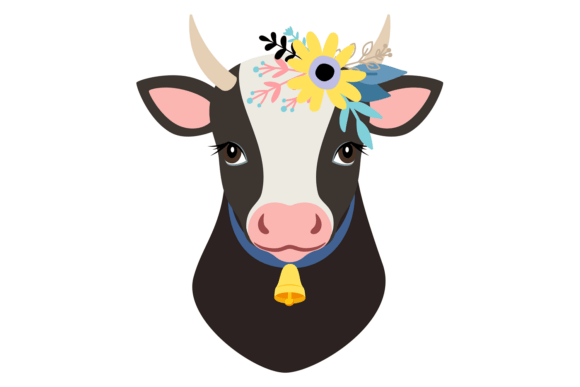
Cow Portrait in Rustic Decorative Style: A Designer's Deep Dive
There's an undeniable warmth that radiates from a well-executed rustic aesthetic. It speaks of authenticity, craftsmanship, and a connection to simpler times. Within this visual language, the Cow Portrait in Rustic Decorative Style has emerged as a surprisingly versatile and emotionally resonant design asset. It’s far more than just a picture of an animal; it’s a stylized character, a brand ambassador, and a piece of digital art that carries a specific personality. This portrait, often featuring a serene bovine adorned with subtle floral elements and rendered with a textured, handcrafted feel, offers a unique blend of whimsy and sophistication. For designers and creators, understanding its core appeal is the first step to unlocking its potential.
Deconstructing the Visual Character
At its heart, this style of portrait is a masterclass in controlled charm. The "rustic" element is typically achieved through specific visual cues: think visible brush strokes, a slightly weathered or grainy texture, and a color palette that leans towards earthy tones, creams, and muted pastels. The "decorative" aspect often involves intricate line work, perhaps in the cow's features or the floral crown it might wear, which adds a layer of artistry and detail. The overall effect is one of a premium font for imagery—it feels considered, intentional, and elevated. The animal itself is rarely photorealistic. Instead, it’s a character with a gentle expression, making it approachable and friendly without sacrificing detail. This is not a stark, minimalist vector; it’s a design piece with soul, which is precisely why it resonates so deeply in an age of digital homogeneity.
Where This Style Truly Shines: Applications Across Industries
The utility of a Cow Portrait in Rustic Decorative Style extends far beyond a single use case. Its versatility is its greatest strength, allowing it to adapt to various project needs while maintaining its core identity.
- Brand Identity & Logo Design: For businesses in the organic food, dairy, farm-to-table restaurant, artisanal goods, or eco-friendly product space, this portrait is a goldmine. It instantly communicates values of natural quality, tradition, and care. It can serve as the central logomark or a powerful supporting brand asset.
- Packaging Design: Imagine this portrait on a cheese label, a milk carton, a bag of coffee, or a jar of honey. It grabs attention on a crowded shelf and tells a story before the customer even reads a word. The transparent PNG version is particularly valuable here for seamless integration over various backgrounds.
- Editorial & Publishing: Bloggers, magazine editors, and book designers can use this style to create engaging featured images, chapter headings, or decorative elements for publications focused on lifestyle, cooking, agriculture, or countryside living.
- Digital & Social Media: In a feed dominated by flat graphics and stock photos, a textured, rustic portrait stops the scroll. It’s perfect for profile pictures, post backgrounds, Instagram story highlights, and website banners that need a touch of organic personality.
- Physical Products & Crafts: Crafters and small business owners can license such assets for use on merchandise like t-shirts, mugs, tote bags, and prints. The EPS and SVG formats ensure the design scales perfectly for any application.
Making It Work: Practical Guidance for Your Projects
Integrating a distinctive asset like this requires a thoughtful approach. First, evaluate the project’s tone. This style is perfect for brands that want to feel authentic, cozy, and trustworthy. It might not align with a hyper-modern, tech-startup vibe unless used with a very specific ironic or counter-cultural intent.
Next, consider your font pairing. A rustic portrait pairs beautifully with certain typefaces. A clean sans serif font can provide a modern counterbalance, preventing the design from feeling too kitschy. A classic serif font can enhance the traditional, established feel. For a fully immersive rustic look, a subtle script font or handwritten font can complement the portrait’s personality, but use these sparingly for headlines or accents to maintain readability in body text. The goal is visual hierarchy and balance.
Always test the asset in context. Place it on your website mockup, your packaging dieline, or your social media template. Does it maintain its clarity at small sizes? Does its color palette clash with your existing brand colors? The beauty of files like the EPS and SVG is that they are often editable, allowing a skilled designer to adjust colors or isolate elements to better fit the brand identity.
Finally, pay close attention to licensing. For any commercial use—from a client’s logo to products for sale—ensure you have the appropriate commercial font (or in this case, illustration) license. Reputable marketplaces will clearly state the terms, protecting both you and your client.
The Cow Portrait in Rustic Decorative Style is more than a trend; it’s a tool for storytelling. It injects warmth, character, and a sense of handcrafted quality into any project it graces. By understanding its strengths and applying it with intention, you can transform a simple design into a memorable and engaging experience for your audience. It’s a testament to how a single, well-chosen design asset can elevate a project’s entire narrative.